
Handmade kitchen knives combine beauty and practical use. They are not just sharp tools for cutting food. These knives also carry an image — a statement about quality, skill, and personality in a restaurant. This article explores how handmade knives serve chefs both as reliable tools and as elements that reflect the style of a kitchen or dining place.
What Makes Handmade Knives Different from Mass-Produced Ones?
Handmade knives are crafted individually by skilled artisans. Unlike factory-made knives, each handmade piece has unique design, carefully selected materials, and tailored balance. The focus is on precision, durability, and aesthetics.
| Material | Advantages | Disadvantages | Best Use |
|---|---|---|---|
| Damascus Steel | Durable, holds sharp edge well, beautiful wavy patterns | Requires special care to avoid rust, more expensive | Precision slicing, stylish presentation knives |
| High Carbon Steel | Very sharp, easy to re-sharpen, lightweight | Prone to rust without proper care | Everyday kitchen use, chefs who prefer quick maintenance |
| Stainless Steel | Resistant to rust and stains, low maintenance | Does not hold edge as long, slightly heavier | Busy kitchens needing easy upkeep |
| Ceramic | Sharp for long time, very light | Can chip or break easily, hard to sharpen at home | Light slicing, delicate ingredients |
How Do Handmade Knives Reflect a Restaurant’s Image?
Handmade knives are more than tools. They become part of the kitchen’s identity. Chefs who use these knives show they care about quality and tradition. This can impress customers and colleagues alike. A handmade knife often becomes a symbol of a chef’s dedication and art.
Why Do Some Chefs Prefer Handmade Knives—Is It Just Style?
While looks matter, the main reason chefs choose handmade knives is performance. These knives offer better control, balance, and sharper edges. They can make cutting safer and more enjoyable. The feeling of using a handmade knife adds confidence and pride in each task.
Expert advice from Michael Adams, Master Knife Maker:
“Avoid knives that feel heavy or unbalanced in your hand — the right weight and grip can prevent wrist strain during long kitchen shifts.”
What Are the Key Features to Look for When Choosing or Making a Handmade Knife?
Consider these points when selecting or crafting a handmade kitchen knife:
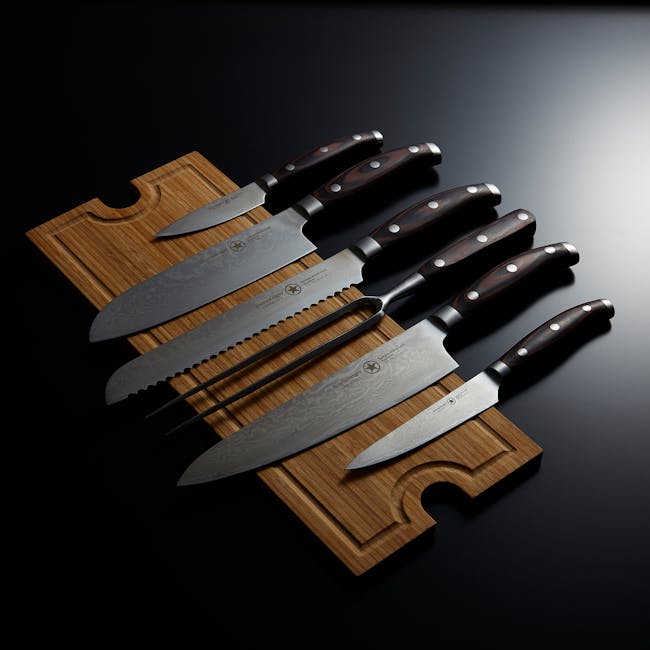
- Blade Material: Choose based on maintenance readiness and cutting needs.
- Handle Comfort: Must fit well in hand; wood handles offer warmth, synthetic handles resist moisture.
- Balance and Weight: Should feel natural to reduce fatigue.
- Blade Shape: Different knives suit different tasks (e.g., chef’s knife, paring knife).
What Are the Common Mistakes Chefs Make with Handmade Knives?
Here are five frequent errors that can reduce the knife’s life or performance:
- Storing Knives Loosely: Many chefs leave knives in drawers where blades can dull or get damaged.
- Skipping Proper Sharpening: Waiting too long to sharpen leads to dangerous cutting and ruined blades.
- Using the Wrong Cutting Surface: Hard surfaces like glass or stone can chip blades.
- Neglecting Cleaning and Drying: Handmade knives can rust if left wet or dirty.
- Inefficient Handling: Using knives for tasks like opening cans or cutting bones damages blades.
Expert advice from Sarah Lee, Professional Chef:
“Respect your handmade knife like an extension of your hand: clean it right after use, sharpen regularly, and never use it to pry open anything.”
How Can Chefs Care for Handmade Knives to Keep Them Sharp and Beautiful?
Proper care is simple yet crucial:
- Wash knives by hand with mild soap immediately after use.
- Dry them completely to avoid rust.
- Store in dedicated wooden blocks or magnetic strips.
- Sharpen regularly with whetstones or professional services.
- Oil wooden handles occasionally to prevent drying.
Expert advice from David Kim, Culinary Tools Specialist:
“A sharp knife is a safe knife. Don’t wait until the blade dulls. Regular maintenance keeps every cut precise and reduces accidents.”
How Do Handmade Knives Compare With Factory-Made Ones in Performance and Style?
Here is a quick comparison to evaluate key aspects:
| Feature | Handmade Knife | Factory-Made Knife |
|---|---|---|
| Customization | High — tailored fit, materials, and design | Low — standard sizes and materials |
| Edge Sharpness | Sharper and keeps edge longer | Dulls faster |
| Durability | Durable with proper care | Variable, often less durable |
| Price | Higher | More affordable |
| Visual Appeal | Unique, artistic | Standardized look |
What Engineering Details Make Handmade Knives Unique?
Let’s look deeper at the construction details that affect knife quality:
- Blade Geometry: Angle and thickness tuned to specific uses.
- Heat Treatment: Controls hardness and flexibility of the blade.
- Handle Attachment: Secured with pins or rivets for balance and stability.
- Finish: Polished or textured surfaces for grip and aesthetics.
What Are the Risks of Skipping Essential Knife Knowledge?
Using handmade knives incorrectly can cause premature damage and frustration. Key risks include:

- Blade chipping from improper use.
- Rust damage from poor cleaning habits.
- Injury from dull blades requiring extra force.
- Lost time and money due to frequent replacements.
What Are the Most Common Mistakes Chefs Make When Caring for Their Handmade Knives?
1. Storing knives improperly
Many chefs keep knives loose in drawers to save space. This looks practical at first.
Price: The blades bump and chip against other utensils. This leads to dull edges and costly repairs or replacements.
2. Failing to sharpen knives regularly
Some wait until the blade is too dull before sharpening, thinking occasional sharpening is enough.
Price: Dull blades force chefs to apply extra pressure, increasing slipping risks and ruining food texture.
3. Cleaning knives in a dishwasher
Dishwashing seems easy but exposes blades to harsh detergents and high heat.
Price: It causes metal corrosion and damages wooden handles, shortening knife life.
Summary: Why Are Handmade Knives Worth the Investment?
Handmade knives give chefs unique tools that look great and perform better. They carry a story and style that factory-made knives usually lack. With basic care and respect, these knives can last years and enhance every kitchen experience.
Choosing the right handmade knife means thinking about your cooking style, comfort, and maintenance ability. This investment is about quality and pride in your work. Whether you use it at home or in a busy restaurant, a handmade knife offers more than just a cut — it offers a connection to craftsmanship and art.


