
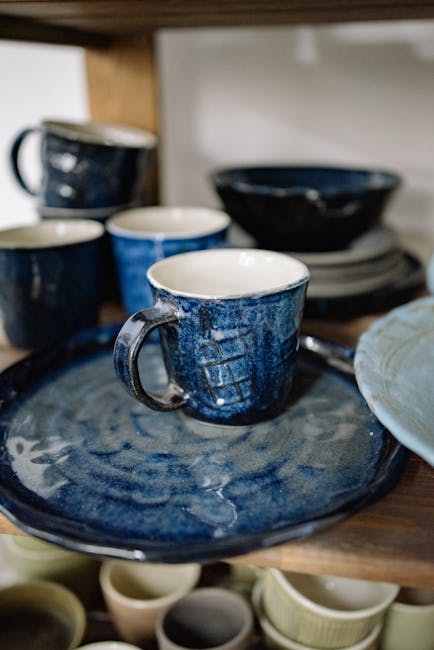
Handmade tableware brings personality and uniqueness to restaurant presentation. Unlike mass-produced dishware, these items emphasize the cuisine’s style and offer diners a more memorable experience. Unique plates, ceramics, and glasses can highlight textures, colors, and aromas of the dishes in ways standard tableware cannot.
What Makes Handmade Tableware Stand Out in Restaurants?
Handcrafted plates and glasses often feature irregular shapes, natural glazes, and personalized details that reflect the chef’s vision and the culture behind the food. This creates an immediate connection to the meal’s origin, elevating the overall dining atmosphere.
Expert Advice from Sarah Miller, Ceramic Artist:
“A handmade plate isn’t just a surface for food—it’s part of the dish’s story. Choosing the right shape and texture can make simple ingredients feel special and elevate a diner’s emotional response.”
How Do Unique Ceramics Highlight Cuisine Style?
Different cuisines have distinct themes and traditions. Handmade ceramics can be tailored to express them:

- Japanese Cuisine: Minimalistic, natural textures and muted colors mirror the subtle flavors and seasonality.
- Mediterranean Food: Bright glazes and organic forms convey warmth and freshness.
- Modern Fusion: Bold shapes and contrast glazing reflect innovation and creative combinations.
Using handmade ceramics allows restaurants to match tableware closely with their concept, enhancing the storytelling on the plate.
What Materials Are Common in Handmade Tableware and How Do They Compare?
| Material | Advantages | Disadvantages | Best Use |
|---|---|---|---|
| Ceramics (Stoneware, Porcelain) | Durable, versatile, holds glaze well, tactile surface | Fragile if dropped, variability in firing | General use, all cuisines, especially fine dining |
| Glass (Hand-Blown, Fused) | Transparent for layered plating, elegant, reflective | Fragile, may be expensive | Showcasing desserts and cocktails |
| Wood | Warmth, natural grain, unique texture | Requires maintenance, can stain and absorb flavors | Rustic and farm-to-table concepts |
| Metal (Copper, Stainless Steel) | Durable, modern look, good heat retention | Can react with acidic foods, requires polishing | Innovative plating, modern cuisines |
Expert Advice from Michael Chang, Restaurant Owner:
“Investing in handmade tableware helps create a unique identity for your menu. It’s not just about looks; it’s about creating an immersive experience that guests remember long after they leave.”
What Are Some Practical Tips for Restaurants Using Handmade Tableware?
- Match the Tableware to the Dish: Consider how colors and shapes complement the food. A bright salad may pop on a neutral, textured plate.
- Balance Uniqueness with Function: Handmade doesn’t mean fragile—choose pieces that hold up to daily use.
- Use Variety Thoughtfully: Mixing several handmade styles can enhance an eclectic menu but avoid visual clutter.
These steps ensure tableware enhances rather than distracts from the food.
What Are the Most Common Mistakes Restaurants Make with Handmade Tableware?
Choosing handmade items can be tricky. Here are five frequent errors:
- Ignoring Practicality: Selecting pieces that look great but are hard to clean or stack adds to operational challenges.
- Overusing Unmatched Elements: Combining too many styles without cohesion confuses diners.
- Overlooking Size and Portion Fit: Plates too small or too large affect portion perception, either shrinking or overwhelming the dish.
- Neglecting Durability: Handmade does not mean fragile. Pieces that break easily increase replacement costs.
- Failing to Train Staff: Improper handling can damage precious pieces and spoil presentation.
Expert Advice from Lisa Carter, Tableware Designer:
“Test your handmade pieces in real kitchen conditions before committing. If they can withstand busy service hours without losing their charm, you’ve found a winner.”
How Does Handmade Tableware Inspire Creativity in Home DIY Projects?
For those interested in crafting their own unique accessories or small décor, handmade ceramics and glassware show that imperfections add character. Trying simple DIY techniques like paint glazing or shaping clay can lead to custom pieces that bring personal style into everyday life.
What Essential Tools and Materials Are Needed to Start Handmade Tableware DIY?
- Basic clay set (air dry or kiln-fired options)
- Glazes or ceramic paints suitable for kitchen use
- Simple glass painting kits or blown glass starter sets
- Basic shaping and carving tools
- Protective gloves and workspace covers
Starting small ensures a manageable learning process with achievable results.
Interesting Facts About Handmade Tableware You Might Not Know
- Handmade glazes vary slightly because of kiln temperature fluctuations, creating unique patterns on each piece.
- Some artisans mix natural minerals into clay to influence color and texture without chemicals.
- Glassblowing traditions date back over 3,500 years, and many techniques remain unchanged.
- Using handmade tableware can improve taste perception—studies show diners report flavors as richer and more intense.
- Eco-friendly ceramic production often reuses local clay, reducing environmental impact.
Designer tableware handmade by artisans adds unique texture and personality to restaurant dishes, enhancing the connection between food and culture. Careful material choice, smart selection, and balance of style with practicality help restaurants create memorable dining experiences. For hobbyists and DIY enthusiasts, exploring handmade ceramics and glass offers rewarding creativity with simple materials and tools. Whether professional or personal, embracing handmade tableware means crafting stories — one plate at a time.
